

By Olivia Smith
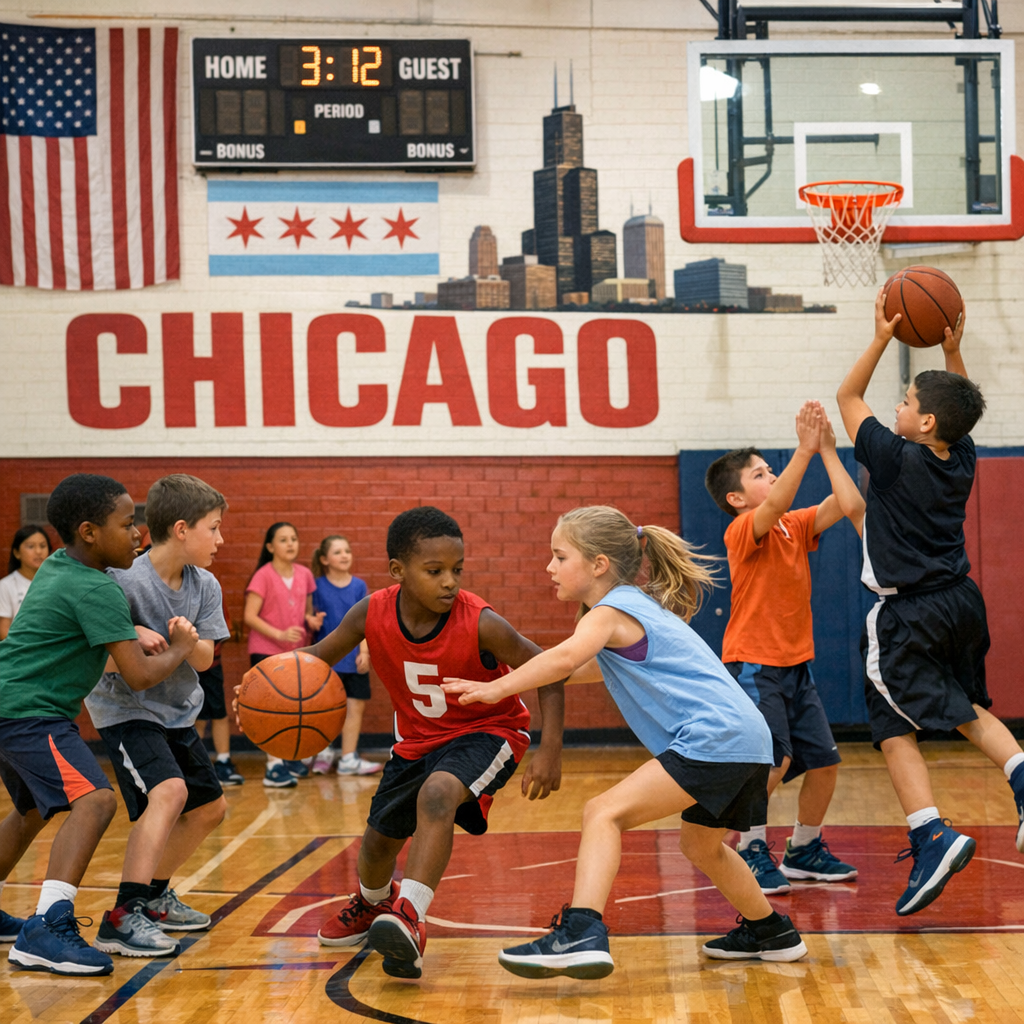
In Chicago, sports are woven into our city’s identity—not just through professional teams, but especially through the youth athletes who play on neighborhood courts, pitches, and school fields. Behind the cheers are stories of development, inclusion, and our shared community values. Here’s how local youth sports are making a lasting impact.
The Backbone: School and Community Programs
The Chicago Public Schools (CPS) Athletics and Sports Programs are the formal heart of high school and elementary school sports in the city. The Sports Administration department manages interscholastic competitions, prepares coaches and athletic directors, and ensures youth — from kindergarten through 12th grade — have safe places to play. Participation in sports is built around principles of equity and low barriers to entry. CPS also supports elementary school programs that emphasize inclusion rather than early specialization. Sports build more than athletic skills — they build character, citizenship, and academic resilience.
Rec leagues and community sports programs, such as those offered by Chicago Rec Sports or the Chicago Park District, let young players try different sports and participate year-round. These spaces are vital for those who may not have access to travel or club teams or who just want to enjoy the game with their neighbors.
Healing-Centered Youth Development
Organizations like Urban Initiatives are blending athletics with social-emotional learning, recognizing that sport can be a vehicle for building life skills beyond the field. Programs train youth in leadership, communication, emotional regulation, and teamwork. Many participants come from under-resourced areas, where opportunities for safe sports engagement are fewer. By pairing coaches with trained adults and embedding life skills into drills, practice sessions become chances to learn more than just technique.
Barriers — and How Chicago Is Meeting Them
Many families face financial constraints, often steering children away from sports due to costs associated with travel teams, specialized equipment, or private training. Time commitments and transportation also weigh heavily.
Chicago’s many public recreation offerings, scholarship programs, and no-cut policies in some CPS programs help bridge gaps. Organizations committed to equity strive to ensure that sports opportunities are accessible regardless of ZIP code.
Why It All Matters
Youth sports have real outcomes: better health, improved mental well-being, stronger social skills, and higher academic achievement. Sports teach young people about dealing with defeat, working toward a goal, and supporting each other.
Plus, they help strengthen neighborhoods. Local matches pull people together — coaches, parents, and players all contribute to a culture of shared investment. Whether it’s cheering at a CPS interscholastic game or volunteering to referee a community soccer match, these moments deepen connections.
What Chicago Can Do Next
• Expand free and low-cost programs in underserved neighborhoods to reduce financial and geographic access barriers.
• Support coach training for life-skills coaching, not just sport-specific skills.
• Encourage partnerships between schools, recreation services, and nonprofits to create consistent, year-round offerings.
• Promote inclusive environments for girls, LGBTQ+ youth, and those for whom English is not their first language so sports truly reflect our city’s diversity.
Chicago’s youth sports are more than practice schedules and weekend games. They are classrooms without walls, teaching us about perseverance, community, and possibility. When we invest in youth—not just as athletes, but as people—we change the city’s future, one pass, one pitch, and one leap at a time.