

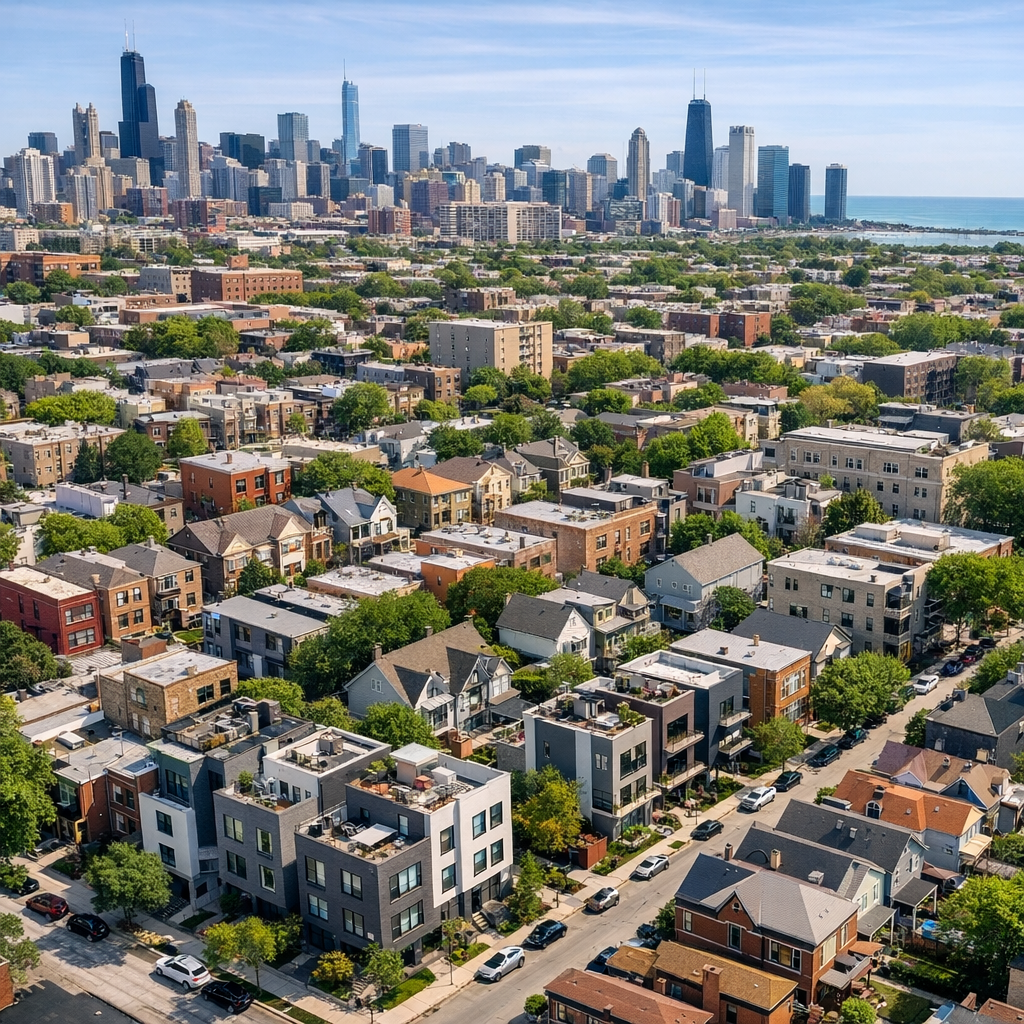
Chicago faces a significant housing affordability crisis, with many residents spending a substantial portion of their income on rent. This issue is particularly acute in neighborhoods like South Shore, Englewood, and Garfield Park, where over 67% of households are rent-burdened, meaning they allocate more than 30% of their income to housing costs.
Housing Commissioner Lissette Castañeda emphasizes the need for at least 119,000 additional affordable units to meet demand. Efforts to address this shortfall include funding new multifamily developments, supporting inclusionary housing through the Affordable Requirements Ordinance, and investing in permanent supportive housing.
One innovative approach under consideration is the Green Social Housing (GSH) program, modeled after a successful initiative in Washington, D.C. This plan involves creating an independent nonprofit, the Residential Investment Corporation (RIC), to develop sustainable and affordable housing featuring green technologies such as electric heat pumps, solar panels, and passive building designs. The City Council is expected to vote on establishing the RIC this spring.
As Chicago continues to grapple with housing affordability, these initiatives represent critical steps toward providing stable and affordable housing for all residents.