

The U.S. economy has recently experienced notable developments across various sectors, impacting consumers and policymakers alike.
Inflation and Gas Prices
Inflation has surged, with a key gauge rising 0.7% in March and prices overall increasing 3.5% year-over-year—the highest in almost three years. This uptick is largely driven by soaring gas prices, averaging $4.39 per gallon, influenced by ongoing geopolitical tensions. Core inflation, excluding food and energy, rose 3.2% annually.
Economic Growth
Despite inflationary pressures, the U.S. economy grew by 2% in the first quarter of 2026, recovering from a sluggish end to 2025 caused by a prolonged government shutdown. Consumer confidence edged slightly higher to 92.8 in April, although it remains at levels last seen during the COVID-19 pandemic.
Labor Market
In labor markets, unemployment claims fell to 189,000, hitting the lowest level in over 50 years, signaling resilience in the job market.
Stock Market Performance
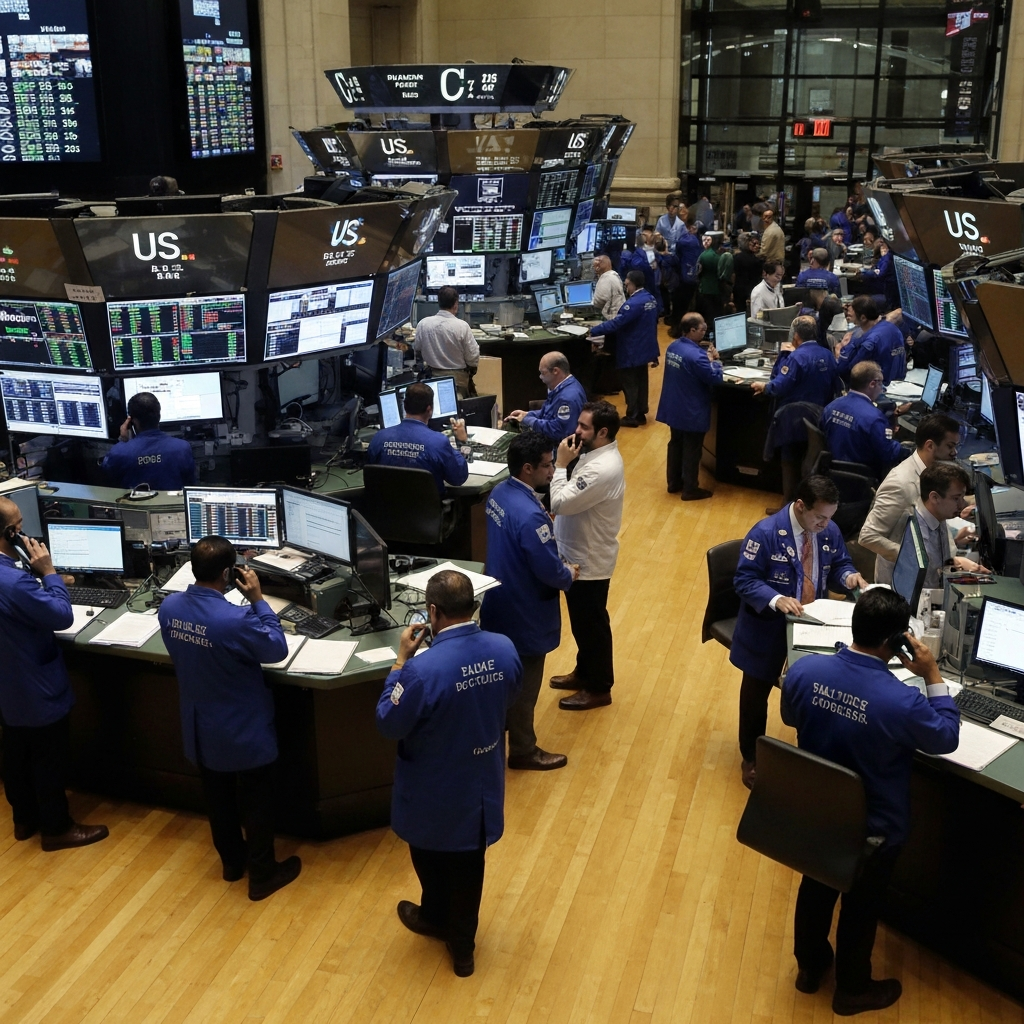
Stock markets set new records as Big Tech companies, including Apple, reported strong earnings, despite continued volatility in oil prices driven by the Iran conflict.
These developments highlight the complex interplay between inflation, economic growth, and labor market dynamics in the current U.S. economic landscape.